

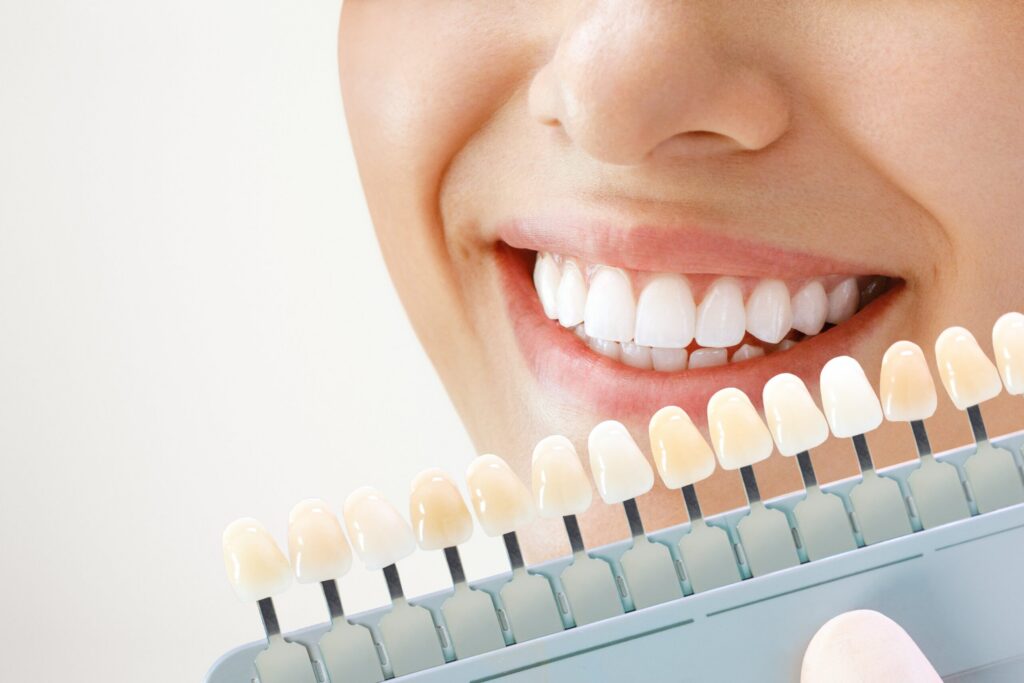
Teeth whitening is one of the most requested cosmetic dental treatments in Southern California. Patients in San Diego often ask the same question during consultations at Landmark Dental Arts: Is teeth whitening bad for your teeth, or is that just another internet myth?
If you live or work near Kearny Mesa, you have probably seen ads, social posts, or store displays promising dramatic whitening with little effort. Some of those claims are misleading, and a few are flat-out wrong. This article walks through the most common teeth whitening myths, explains what actually happens to your enamel, and helps you understand what is safe, what is not, and what truly works when guided by a Kearny Mesa dentist.
Teeth whitening can be safe and effective when done properly, but it is not magic, not permanent, and not one-size-fits-all. Let’s clear the confusion.
Myth: Tooth Enamel Is Affected By Teeth Whitening
This is one of the biggest concerns patients raise. Many people worry that whitening permanently damages enamel or makes teeth weaker over time.
Professional teeth whitening does not remove enamel. Whitening agents work by breaking down stain molecules inside the enamel and dentin, not by stripping tooth structure. When performed under dental supervision, whitening products are carefully formulated to stay within safe pH levels and exposure times.
Problems usually occur when patients overuse strong whitening products at home or stack multiple methods at once. Using whitening strips daily for months or combining them with abrasive products can irritate enamel and gums. That is not the same as enamel loss, but it can lead to temporary sensitivity and surface irritation.
At a dental clinic in Kearny Mesa, San Diego, whitening plans are customized. That includes evaluating enamel thickness, existing restorations, gum health, and stain type before recommending treatment.
Myth: It Is a Perfect Procedure
Teeth whitening improves shade, but it is not flawless. Natural teeth are not one uniform color, and whitening cannot change that completely.
Some teeth respond faster than others. Yellow-toned stains usually whiten more easily than gray or brown discoloration. Areas near the gumline may lighten more slowly because enamel is thinner there. Teeth with internal discoloration from trauma or medication may show limited improvement.
Professional whitening aims for natural-looking brightness, not artificial white. A skilled dentist will talk through realistic expectations before treatment, especially for patients considering cosmetic options beyond whitening.
Myth: It Removes All Stains
Whitening does not remove every type of stain. This myth leads to disappointment when patients expect dramatic results from a single session.
Surface stains caused by coffee, tea, red wine, and tobacco respond well to whitening. Deep intrinsic stains from certain medications, excessive fluoride exposure during childhood, or tooth trauma are harder to change.
In these cases, cosmetic solutions such as veneers or crowns may be discussed instead of repeated whitening attempts. Understanding stain origin is key to choosing the right treatment.
Myth: Crowns, Veneers, and Dental Fillings Can Be Whitened
This one causes frustration more often than almost any other whitening misconception.
Crowns, veneers, and dental fillings do not whiten. Whitening agents only work on natural tooth enamel. Existing restorations keep their original color, which can create uneven results if surrounding teeth are lightened.
Patients with visible restorations should always consult their dentist before whitening. In some cases, whitening is done first, followed by replacement of older restorations to match the new shade. This planning step is especially important for front teeth.
Closely related to this is another concern patients ask about.
Myth: Teeth with Restorations Can Be Adversely Affected by Teeth Whitening
Whitening does not damage crowns or fillings, but it can highlight mismatches. Restorations themselves are stable during whitening, but the contrast becomes more noticeable once natural teeth brighten.
A Kearny Mesa dentist will evaluate existing dental work and discuss whether whitening makes sense now or if other cosmetic options would deliver a better result.
Myth: You Can’t Whiten Your Teeth If They Have High Sensitivity
Sensitivity does not automatically rule out whitening.
Many patients in San Diego avoid whitening because they already experience sensitivity to cold or sweet foods. The truth is that whitening can often be done safely with modifications. Lower-concentration gels, shorter exposure times, desensitizing treatments, and custom trays all help reduce discomfort.
In-office whitening may actually be more comfortable than store-bought options because the process is controlled and monitored. Sensitivity is usually temporary and resolves within days when whitening is done correctly.
Myth: Teeth Whitening Has Negative Long-Term Effects
When used responsibly, professional whitening does not cause long-term harm. This myth often comes from stories involving excessive or unsupervised whitening.
Long-term issues are typically linked to misuse, such as whitening too frequently, sleeping in ill-fitting trays, or using products not designed for oral use. That is why guidance from a dental professional matters.
A dental clinic in Kearny Mesa, San Diego focuses on whitening intervals that allow enamel to rehydrate and recover naturally between treatments. Whitening is treated as a maintenance procedure, not something repeated constantly.
Myth: Teeth Whitening Made at Home Is Just As Good
At-home whitening products vary widely in quality and effectiveness. Some can help with mild surface stains, but most do not deliver the same results as professional treatment.
Over-the-counter products use lower concentrations of whitening agents to meet safety regulations. They also rely on generic trays or strips that may not fit well, leading to uneven results or gum irritation.
Professional whitening uses customized trays or in-office systems designed to keep gel where it belongs and limit exposure to soft tissue. Results are more predictable, faster, and safer when supervised.
Myth: You Can Use Teeth-Whitening Toothpaste and Get the Same Results
Whitening toothpaste does not actually whiten teeth in the same way bleaching agents do.
These toothpastes rely on mild abrasives to polish away surface stains. They can help maintain results after whitening, but they do not change the internal color of teeth.
Patients who expect dramatic shade changes from toothpaste alone are often disappointed. Toothpaste plays a supportive role, not a transformative one.
Myth: Teeth Whitening Will Last Forever
Teeth whitening is not permanent.
Results typically last several months to a few years, depending on habits and oral care. Coffee, tea, wine, smoking, and even certain healthy foods can gradually re-stain enamel.
Most patients benefit from periodic touch-ups rather than full whitening treatments every time. Your dentist can recommend a maintenance schedule that fits your lifestyle and goals.
Myth: Oil Pulling Can Remove Teeth Stains
Oil pulling has gained attention online as a natural whitening method. While swishing oil may help reduce some bacteria, it does not whiten teeth.
There is no strong clinical evidence showing oil pulling removes intrinsic stains or significantly lightens tooth color. At best, it may support oral hygiene when combined with brushing and flossing. It should not replace proven whitening treatments.
Myth: Fruits Can Whiten Your Teeth
Some claims suggest that strawberries, lemons, or other fruits can whiten teeth naturally. This myth can actually cause harm.
Acidic fruits may temporarily make teeth appear brighter by removing surface debris, but frequent exposure can erode enamel and increase sensitivity. Lemon juice, in particular, poses a real risk to enamel integrity.
Safe whitening focuses on controlled chemistry, not acidity.
Choosing Teeth Whitening in Kearny Mesa, San Diego
Patients searching for teeth whitening in Kearny Mesa, San Diego should look for more than just bright results. Proper whitening starts with an exam to rule out cavities, gum disease, or cracked enamel. Whitening over untreated issues can lead to discomfort and poor outcomes.
At Landmark Dental Arts, whitening plans consider esthetics, comfort, and long-term oral health. Whether whitening is done in-office or with custom trays at home, the goal is a healthy, natural-looking smile that fits your facial features and lifestyle.
A trusted Kearny Mesa dentist will explain options clearly, discuss limitations honestly, and never promise unrealistic results.
What Actually Matters When Whitening Your Teeth
Teeth whitening is safe for most people when done correctly. It does not weaken enamel, does not damage restorations, and does not cause permanent sensitivity when supervised. The biggest risks come from overuse, poor-quality products, and unrealistic expectations.
If you are considering whitening and want guidance that fits your dental history, schedule a consultation with a dental clinic in Kearny Mesa, San Diego. A personalized approach helps you avoid myths, protect your teeth, and enjoy results that look natural and feel comfortable.
For patients throughout San Diego, professional advice remains the best way to separate whitening facts from fiction and choose a solution that truly works for your smile.